
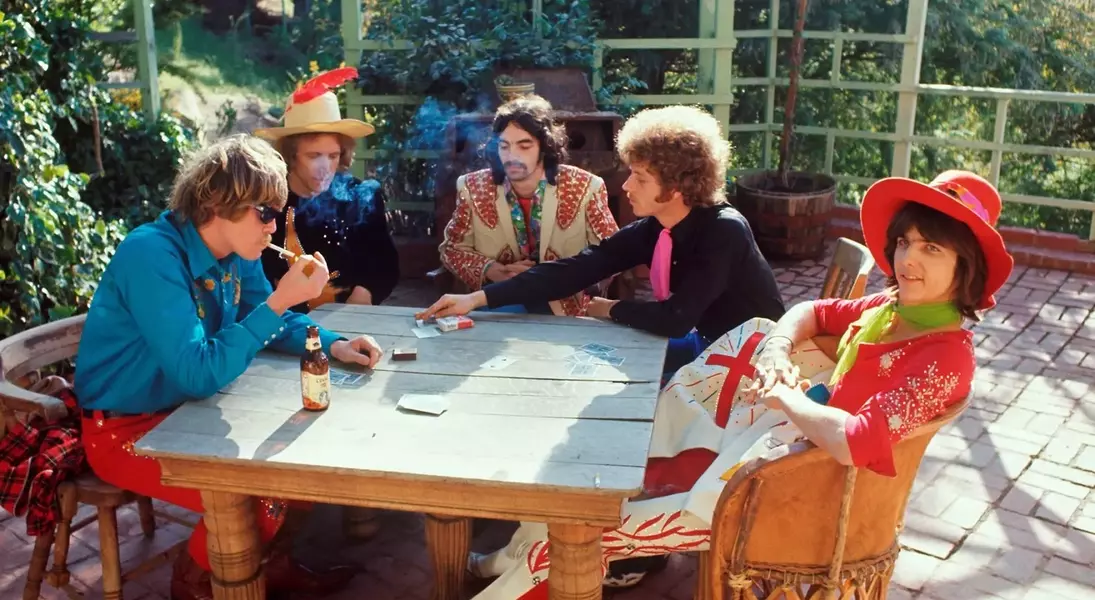
In celebration of Gram Parsons' posthumous recognition with an induction into the Rock & Roll Hall of Fame, a fascinating musical query arises: which of his notable works, 'Hot Burrito #1' or 'Hot Burrito #2,' truly stands out? This question, initially posed as a lighthearted discussion, now sparks deeper consideration.
The narrative begins in 1969, when the Flying Burrito Brothers, comprising Gram Parsons, Chris Hillman, Chris Ethridge, and Sneaky Pete Kleinow, released their groundbreaking debut album, The Gilded Palace of Sin. Having previously contributed to the Byrds' influential country-rock album Sweetheart of the Rodeo, Hillman and Parsons, along with Byrds drummer Michael Clarke, resided at their communal home, affectionately known as Burrito Manor. The Southern California country-rock movement had been gaining momentum for several years, but The Gilded Palace of Sin marked a pivotal moment. Parsons and Hillman, instrumental in shaping this genre, penned a significant portion of the album's tracks, pioneering their unique "Cosmic American Music" sound, which skillfully fused Nashville country with Memphis soul. The album also featured reinterpretations of country-soul classics by Memphis legends Chips Moman and Dan Penn.
During their time at Burrito Manor, Parsons collaborated with Mississippi-born bandmate Ethridge on two original compositions. Ethridge recounted sharing old melodies from his youth with Parsons, leading to the creation and immediate recording of "Hot Burrito #1" and "Hot Burrito #2." Ethridge also contributed piano to both tracks, and the titles were spontaneously assigned. The primary distinction between the two lies in their character: "#1" is a poignant ballad, showcasing Parsons' signature vulnerability and emotional depth, evoking an unexpected tenderness for its era. In contrast, "#2" is a vibrant country-soul anthem, brimming with energy and an almost gospel-like fervor, exemplified by its climactic "Jesus Christ!" exclamation. While the former is an immediate tear-jerker, the latter offers a more subtle, evolving appreciation for its raw, sincere funkiness.
The consensus among music critics and fans overwhelmingly favors "Hot Burrito #1." Many, including Rolling Stone senior music writer Angie Martoccio, noted its perceived superiority, viewing "#2" as just one of many excellent moments on Gilded Palace. Rob Sheffield, a contributing editor at Rolling Stone, echoed this sentiment, praising "#1" as Parsons at his most melancholic and expressive. Filmmaker Ron Mann and singer-songwriter John Fullbright also cast their votes for "#1," highlighting its heartbreaking quality and beautiful chord progressions. Jim James of My Morning Jacket expressed deep affection for both, describing Parsons' voice as the "sunrise" of romance. Even Parsons' daughter, Polly, chose "#1," revealing it was dedicated to her mother. Despite this strong preference, "#2" has its admirers, with its passionate performance, exclamatory chorus, and Sneaky Pete's distinctive fuzz-laden steel guitar. It has been covered by artists such as Dinosaur Jr., the Black Crowes, and even Alex Chilton and Big Star in the 1970s. Emmylou Harris, Parsons' esteemed musical partner, also recorded "#2" in 1981, the same year Elvis Costello reinterpreted "#1" as "I'm Your Toy," suggesting a personal claim to the song. Ultimately, the debate highlights the rich artistic legacy of Gram Parsons, inviting listeners to appreciate both tracks for their unique contributions to music. The author, reflecting on the journey, admits a personal preference for "Hot Burrito #2," viewing the entire discussion as an unconscious defense of its merits.
The exploration of these two distinct yet equally significant musical pieces highlights the subjective nature of artistic appreciation and the enduring power of music to evoke diverse emotional responses. It serves as a reminder that true artistry transcends simple categorization, inviting ongoing dialogue and personal connection with the work. The legacy of Gram Parsons continues to inspire reflection and discovery, demonstrating that profound creative expressions resonate deeply, fostering a vibrant cultural exchange and enriching the human experience.
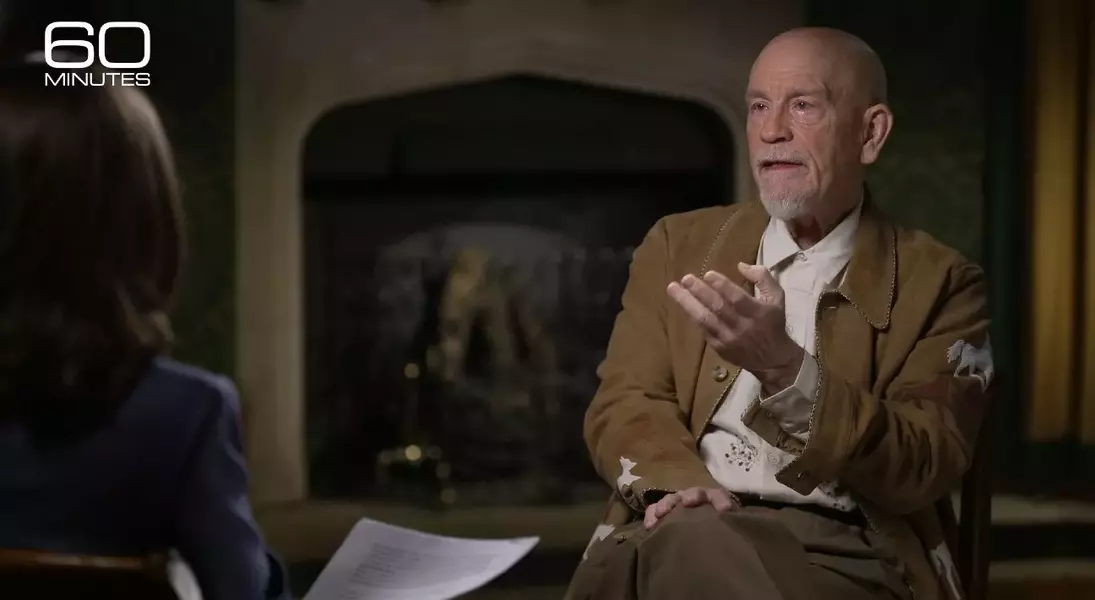
John Malkovich Reflects on His Iconic Roles and Life in Upcoming '60 Minutes' Interview
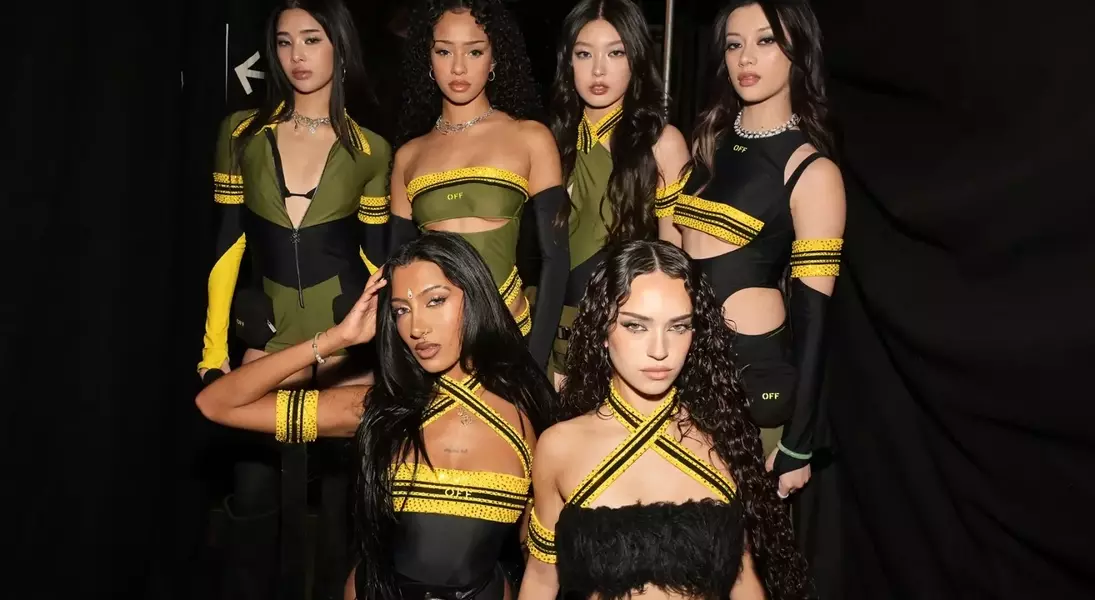
Katseye Faces Tour Challenges with Member Hiatuses and Injuries
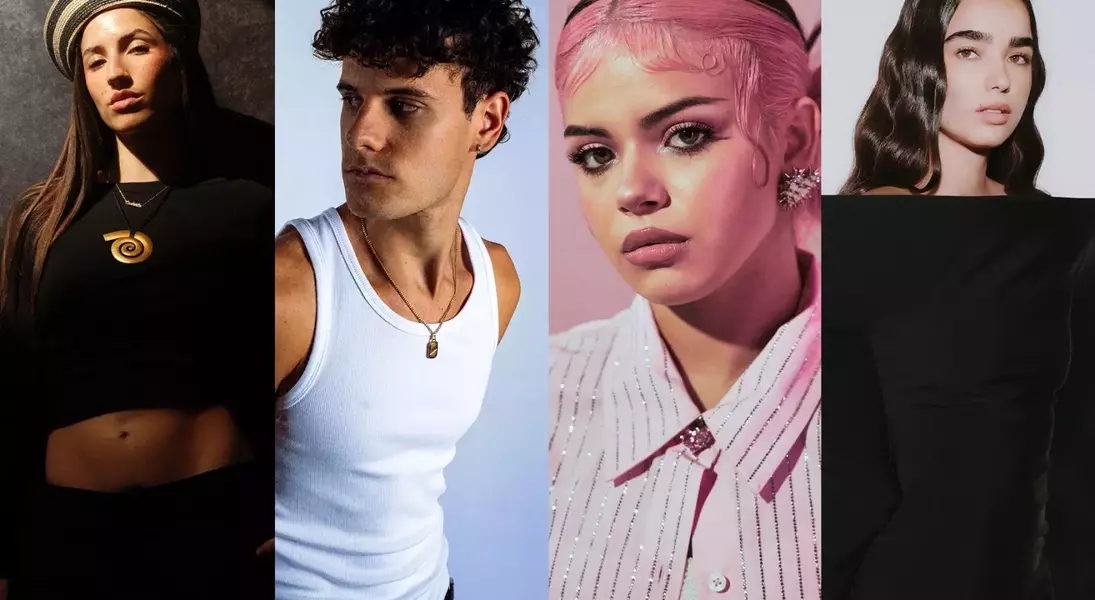
Rising Stars of Latin Music: A Look at the Latin Grammys' Best New Artist Nominees
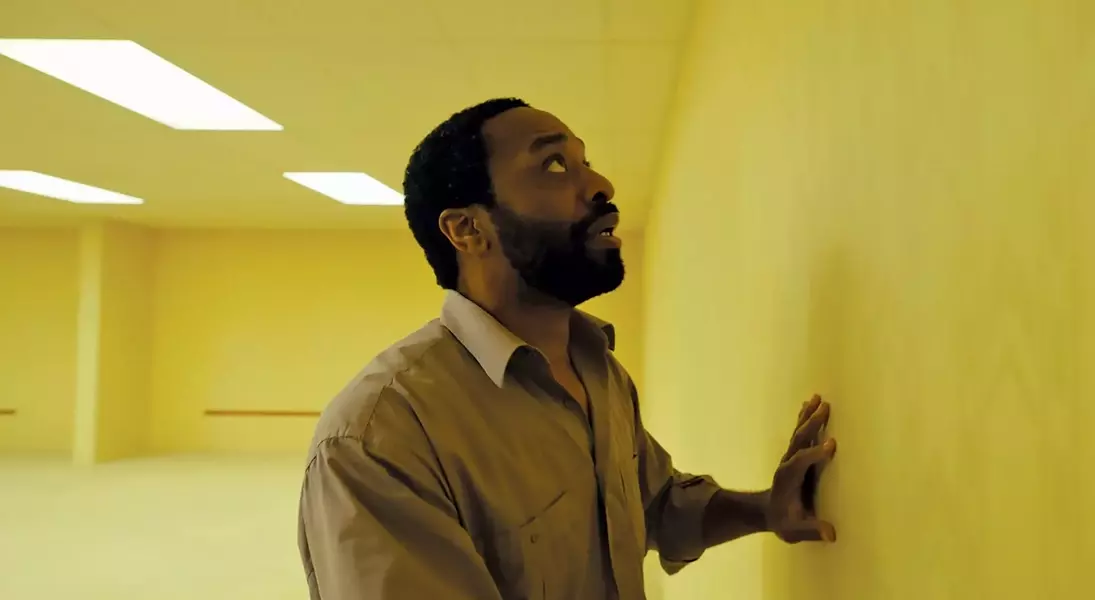
Oscar Production Design Race: 'Backrooms' as a Dark Horse Contender

Who Will Take Over as Love Island Host? Olivia Attwood Leads the Race After Maya Jama's Departure
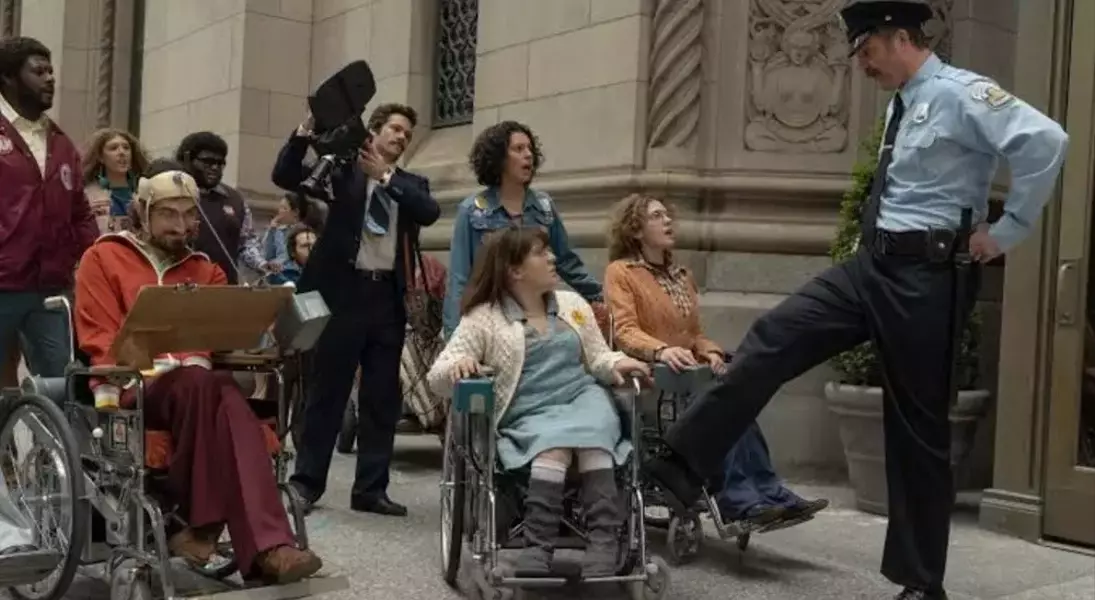
Oscar Casting Predictions: 'Being Heumann' and 'La Bola Negra' Lead the Race

DC Studios' New Leader: A Vision for Universal Superhero Appeal

LuckyChap International Appoints Katie Goodson-Thomas as Film President

Timbaland Sues Former Managers for Alleged Financial Misconduct

Natalie Portman Expresses Maternal Joy After Welcoming Third Child at 45, Reflects on Career Resilience

Iris Law Embraces Acting Career While Addressing "Nepo Baby" Label

Unexpected Power Outage Disrupts ITV Daytime Programming and Personal Beauty Routine
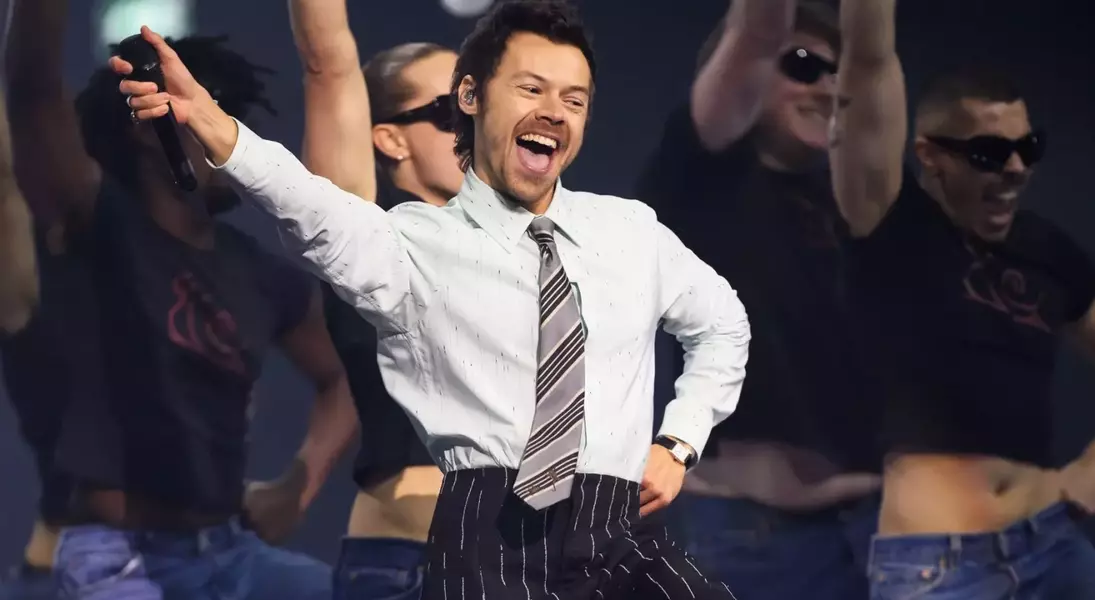
Harry Styles' Farewell to Madison Square Garden: A Deep Dive into His Evolving Artistry and Connection with Fans
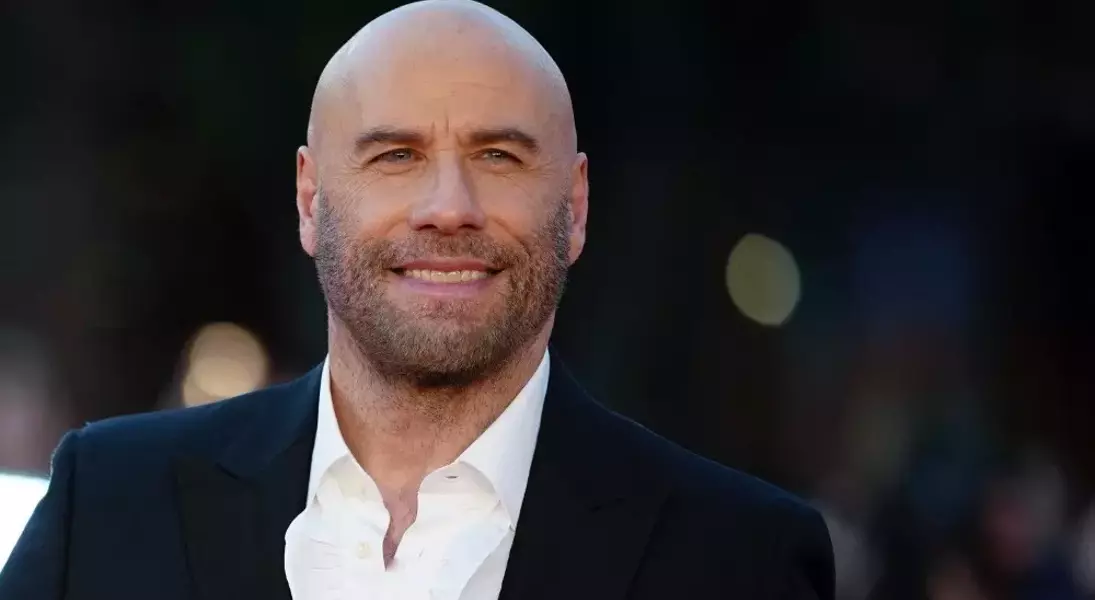
John Travolta to Receive Lifetime Achievement Award at Torino Film Festival, 'Propeller One-Way Night Coach' to Screen

Hollywood Executives on the Expanding Market for Asian Narratives: A Continuous Endeavor
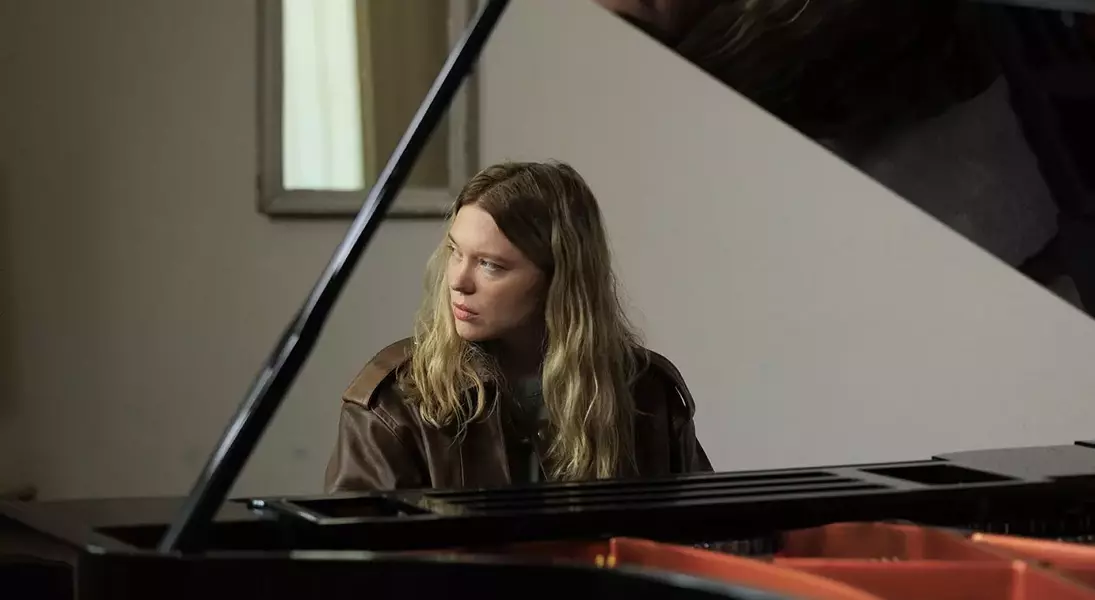
Léa Seydoux Navigates Marital Intrigue in Netflix's 'Gentle Monster'

Wheelhouse Acquires Shark Week Production Powerhouse Anomaly Entertainment

Suri Cruise Reportedly Removes Father Tom Cruise's Surname Amid Long-Standing Estrangement

Jamie Laing's Heartfelt Tribute to Wife Sophie Habboo Ignites Social Media Amid Her Podcast Departure

Shari Redstone Takes New Role as Chair of Sipur Studio


