

Aaron Sorkin's latest cinematic endeavor, “The Social Reckoning,” arrives as a timely and incisive critique of Facebook's societal impact. This thriller acts as a spiritual successor to his acclaimed “The Social Network,” revisiting the complexities of the social media giant, albeit 16 years later and with Sorkin taking on directorial duties. The film meticulously unpacks how Facebook's algorithms, driven by profit, contribute to the spread of misinformation, the radicalization of users, and the erosion of journalistic integrity. Featuring powerful performances from Mikey Madison and Jeremy Allen White, the movie navigates the journey of a disillusioned data engineer and a tenacious reporter as they expose the platform's toxic underbelly. While confronting the bleak reality that the problems highlighted may be beyond easy repair, Sorkin's signature rapid-fire dialogue and righteous indignation make for compelling, albeit sobering, viewing.
In October 2026, a new film by acclaimed writer-director Aaron Sorkin, “The Social Reckoning,” premiered, reigniting conversations around the pervasive influence of social media. The narrative centers on Frances Haugen, portrayed by Mikey Madison, an introspective Facebook data engineer. Initially a believer in the company's mission to foster connection, Haugen becomes increasingly alarmed by the profit-driven mechanisms that amplify extremist viewpoints and misinformation. Her journey of disillusionment leads her to collaborate with Jeff Horwitz, a tech reporter from the Wall Street Journal, played by Jeremy Allen White. Horwitz, transitioning from political reporting in Washington to the tech beat in San Francisco, finds himself grappling with the opaque world of Silicon Valley. Together, they embark on a perilous mission to expose the company's internal workings through an investigative series informally dubbed “The Facebook Files.”
The film opens with a darkly humorous prologue, “White Girl Wasted,” illustrating how seemingly innocuous social media interactions can lead to radicalization, setting the stage for the broader theme of Facebook's role in societal division. Scenes depicting Mark Zuckerberg, brought to life by Jeremy Strong with a peculiar, emotionless demeanor, highlight his unwavering commitment to “free speech absolutism,” even in the face of escalating online harm. Crisis management specialist Raya, played by Wunmi Mosaku, struggles to humanize Zuckerberg for public perception, a task made more challenging by his dismissive attitude towards critical feedback, including that from former colleague Charlie Garrigan (Bill Burr).
As Haugen covertly provides Horwitz with internal documents, they uncover how Facebook's business strategy, prioritizing reshares over "likes," inadvertently fuels engagement through "rage bait," leading to an exponential increase in traffic. Despite internal acronyms like MSI (Meaningful Social Interactions) and CIT (Civic Integrity Team) suggesting safeguards, Zuckerberg's resistance to measures that might even slightly decrease engagement reveals a company deeply entrenched in its profit-first ethos. The film starkly illustrates these consequences, culminating in re-enacted footage of the January 6, 2021 Capitol riots, showing Facebook's delayed response to calls for content moderation. “The Social Reckoning” paints a vivid picture of a powerful tech entity operating beyond governmental oversight, with its algorithms exacerbating divisions and posing significant threats to democratic processes and mental well-being globally.
“The Social Reckoning” serves as a potent reminder of the immense power wielded by social media platforms and the critical need for accountability. The film compellingly argues that while these platforms were initially envisioned as tools for connection, their unchecked pursuit of growth and profit has inadvertently fostered environments ripe for misinformation and extremism. It compels viewers to critically examine the information they consume and the sources from which it originates, highlighting the collective responsibility required to navigate our increasingly complex digital landscape. Ultimately, Sorkin's work is a call to action, urging both the public and policymakers to demand greater transparency and ethical considerations from the tech industry to safeguard our societies from the insidious impacts of algorithmic manipulation.
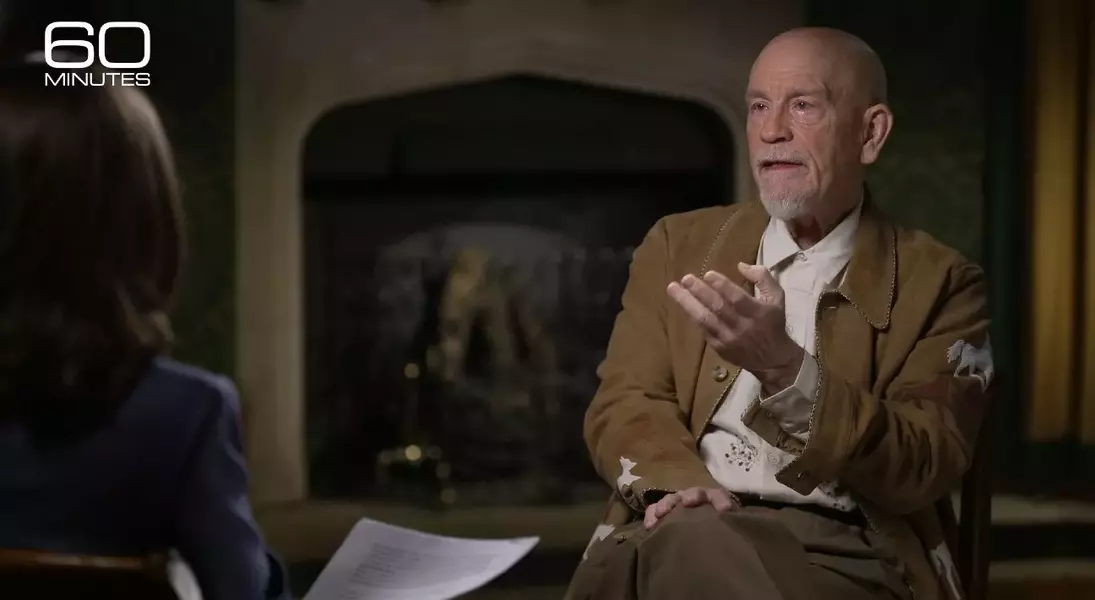
John Malkovich Reflects on His Iconic Roles and Life in Upcoming '60 Minutes' Interview

Katseye Faces Tour Challenges with Member Hiatuses and Injuries

Rising Stars of Latin Music: A Look at the Latin Grammys' Best New Artist Nominees
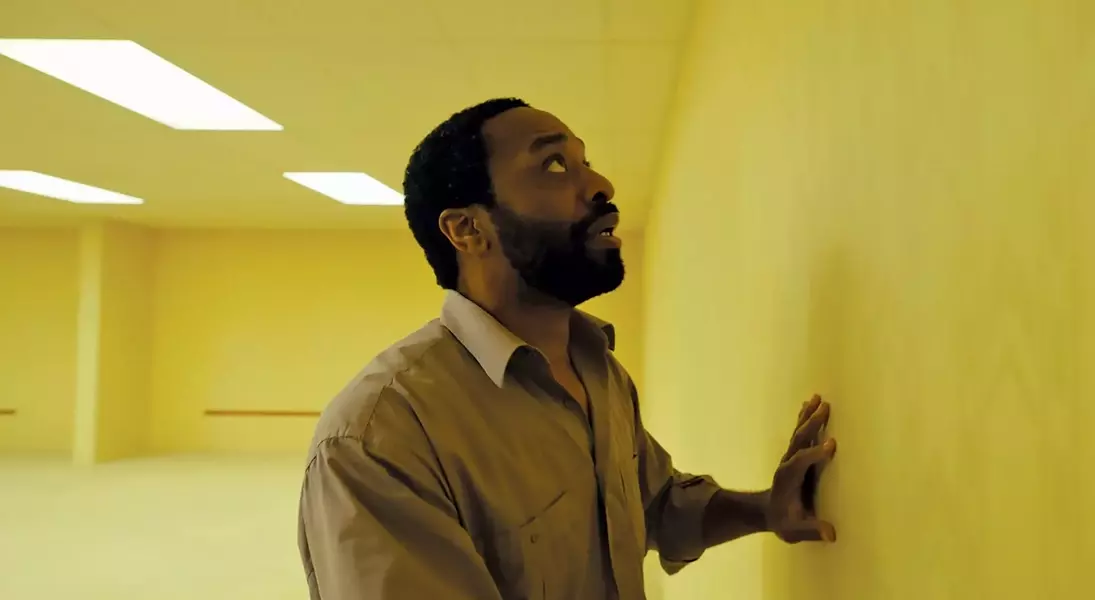
Oscar Production Design Race: 'Backrooms' as a Dark Horse Contender

Who Will Take Over as Love Island Host? Olivia Attwood Leads the Race After Maya Jama's Departure
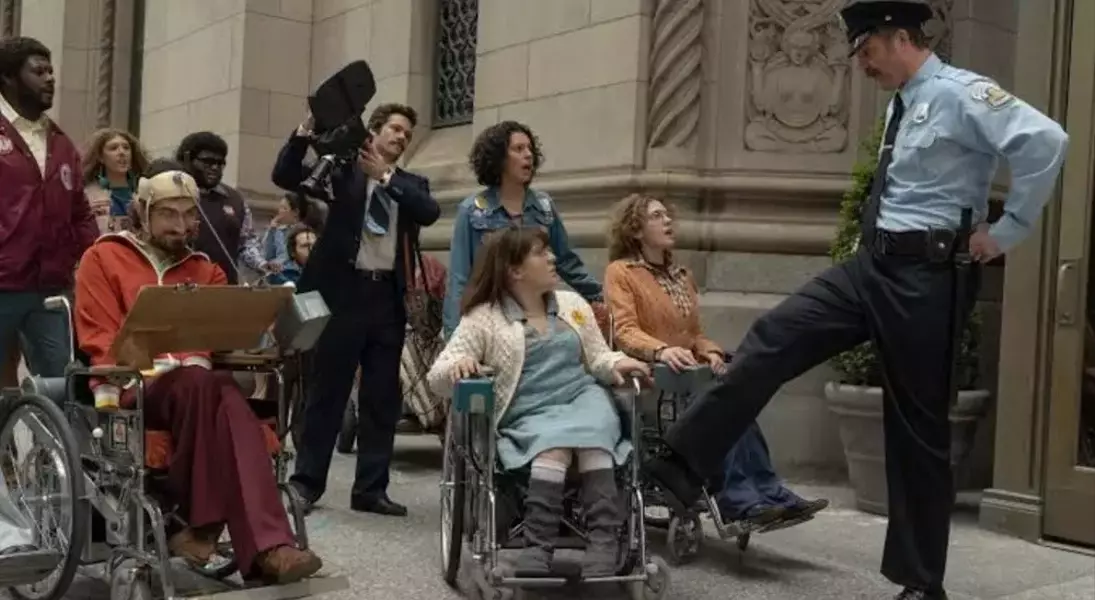
Oscar Casting Predictions: 'Being Heumann' and 'La Bola Negra' Lead the Race
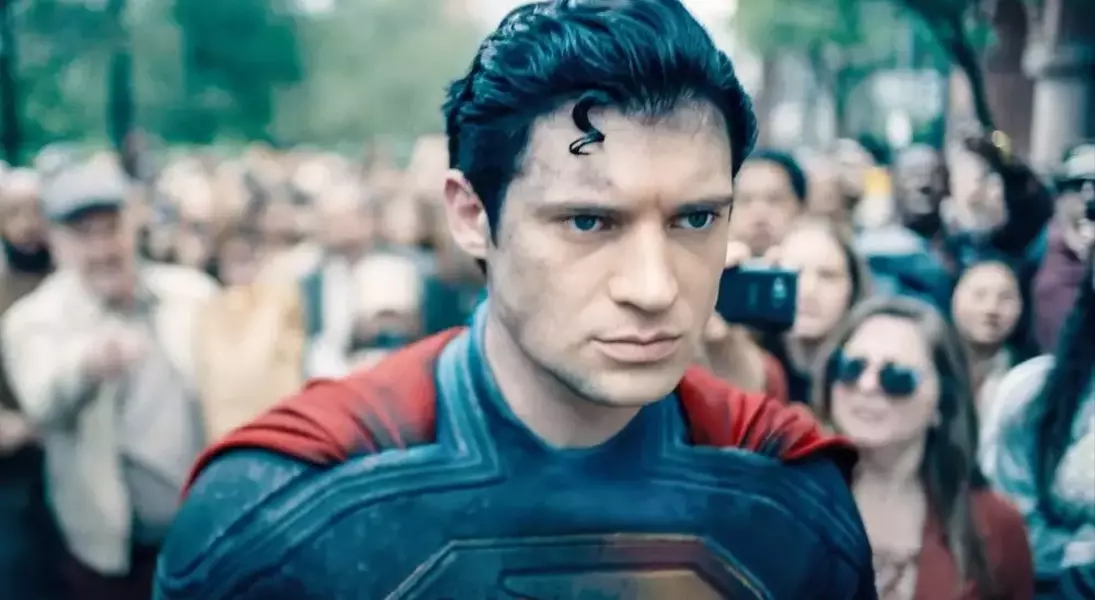
DC Studios' New Leader: A Vision for Universal Superhero Appeal

LuckyChap International Appoints Katie Goodson-Thomas as Film President

Timbaland Sues Former Managers for Alleged Financial Misconduct

Natalie Portman Expresses Maternal Joy After Welcoming Third Child at 45, Reflects on Career Resilience

Iris Law Embraces Acting Career While Addressing "Nepo Baby" Label

Unexpected Power Outage Disrupts ITV Daytime Programming and Personal Beauty Routine

Harry Styles' Farewell to Madison Square Garden: A Deep Dive into His Evolving Artistry and Connection with Fans
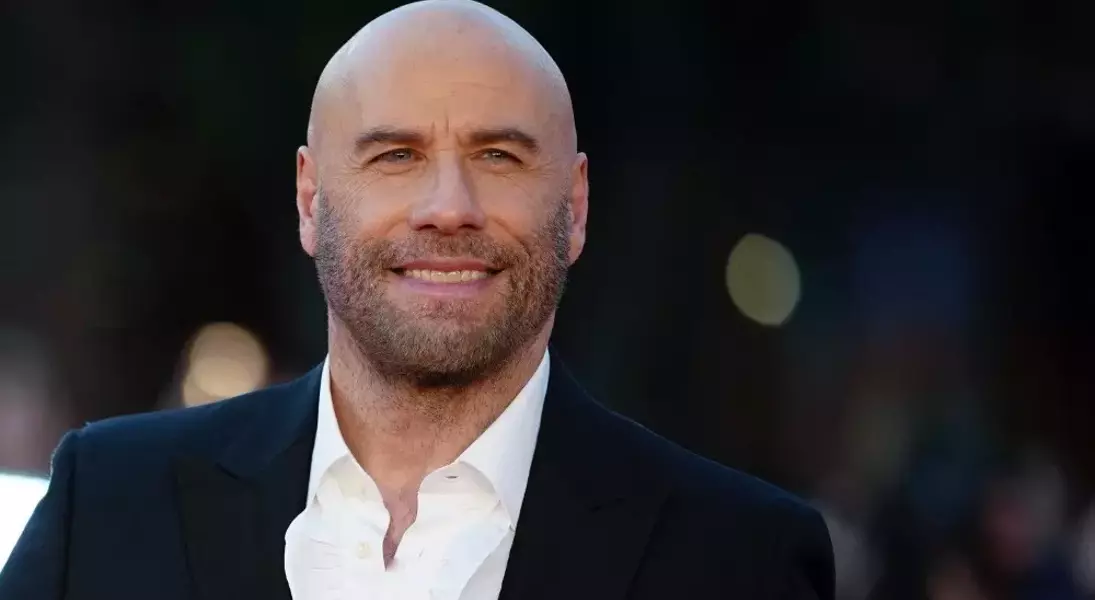
John Travolta to Receive Lifetime Achievement Award at Torino Film Festival, 'Propeller One-Way Night Coach' to Screen

Hollywood Executives on the Expanding Market for Asian Narratives: A Continuous Endeavor

Léa Seydoux Navigates Marital Intrigue in Netflix's 'Gentle Monster'

Wheelhouse Acquires Shark Week Production Powerhouse Anomaly Entertainment

Suri Cruise Reportedly Removes Father Tom Cruise's Surname Amid Long-Standing Estrangement

Jamie Laing's Heartfelt Tribute to Wife Sophie Habboo Ignites Social Media Amid Her Podcast Departure
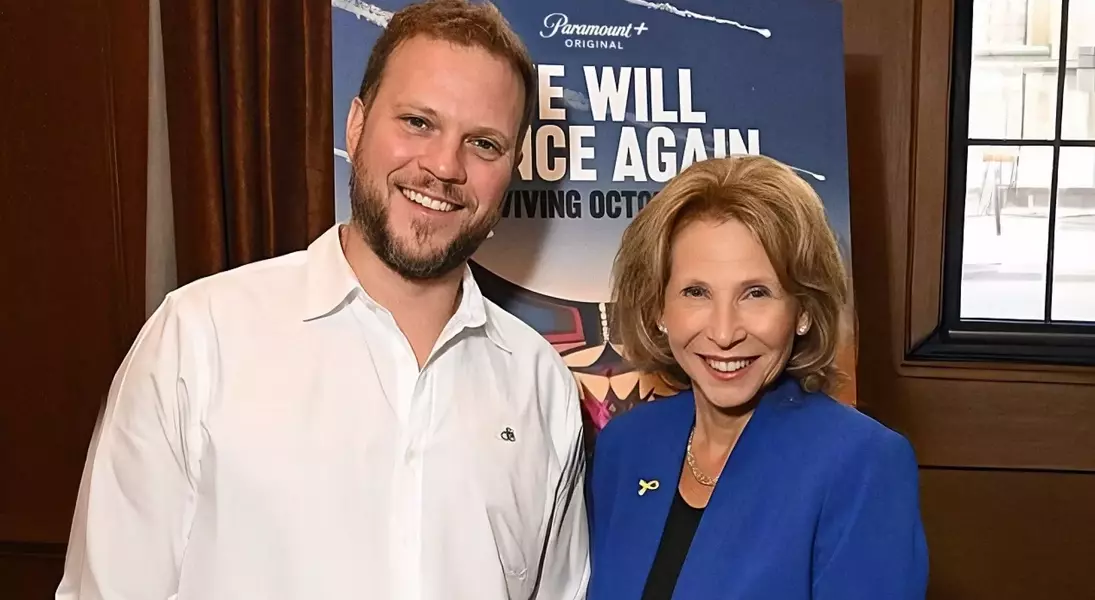
Shari Redstone Takes New Role as Chair of Sipur Studio


